Understanding Construction Quality in New Apartments
Independent inspections reveal patterns in construction defects and finishing quality issues that affect new apartment buyers throughout Chile.
What Types of Defects Are Commonly Found?
Professional inspections consistently identify certain categories of defects across new apartment developments. Understanding these patterns helps buyers know what to look for.
Finishing Work Issues
Paint application quality varies significantly between projects. Common issues include uneven coverage, visible brush marks, poor edge work, and inconsistent color matching. Drywall seams may be visible or improperly finished. These defects indicate rushed completion or inadequate quality control during the finishing phase.
Tile and Ceramic Problems
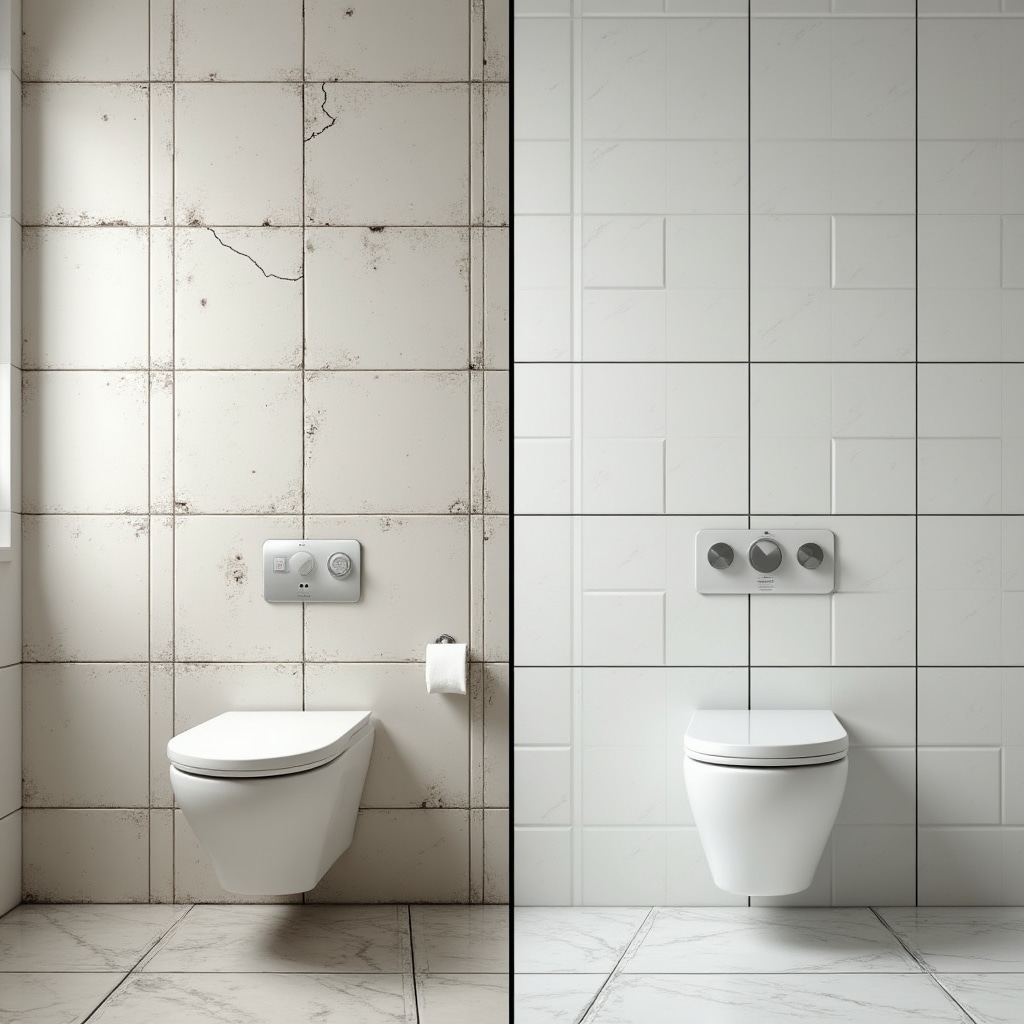
Tile work frequently shows quality issues including uneven grout lines, lippage where tiles are not level with each other, hollow spots indicating poor adhesion, and cracked or chipped tiles. Bathroom and kitchen waterproofing may be inadequate, creating future water damage risks.
Electrical System Deficiencies
Electrical installations often have functional issues. Outlets may lack power, switches might not control the intended fixtures, circuit breakers may be improperly labeled, and ground connections could be missing. These issues represent both functional problems and potential safety concerns.
Plumbing and Fixture Issues
Plumbing problems range from minor leaks to significant functional issues. Faucets may drip, water pressure might be inconsistent, drainage could be slow, and fixtures may be improperly installed. Visible pipe connections sometimes show poor workmanship or incomplete installation.
Window and Door Problems
Windows and doors frequently have alignment issues, inadequate sealing, faulty hardware, or operational problems. Poor sealing leads to air infiltration and water leakage. Misaligned doors may not close properly or latch securely. These issues affect both comfort and energy efficiency.
Installation Quality
Built-in elements like cabinets, countertops, and closet systems may show installation defects. Cabinets might not be level, countertops could have gaps or poor sealing, and hardware may be loose or incorrectly installed. These issues indicate hasty or careless installation work.
Why Do These Defects Occur?
Understanding the causes of construction defects helps buyers recognize why professional inspection is valuable.
Construction Schedule Pressure
Developers face financial pressure to complete projects quickly. This often results in rushed finishing work, particularly in the final stages of construction. Subcontractors may work under tight deadlines that compromise quality. The pressure to deliver units on schedule can lead to inadequate attention to detail.
Subcontractor Variability
Large developments involve multiple subcontractors with varying skill levels and quality standards. Coordination between different trades can be imperfect, leading to interface problems. Some subcontractors prioritize speed over quality, particularly when payment structures incentivize rapid completion.
Quality Control Limitations
Developer quality control processes may be insufficient to catch all defects before handover. Inspections by developer representatives may be cursory or focused on major issues while overlooking finishing details. The sheer volume of units in large developments can overwhelm quality control resources.
What Impact Do Defects Have on Buyers?
Financial Impact
Undetected defects can require expensive repairs after acceptance. Buyers may need to hire contractors to fix issues that should have been addressed by the developer. Some problems, like waterproofing failures, can cause progressive damage that becomes increasingly costly to repair.
Time and Inconvenience
Addressing defects after moving in requires coordinating contractors, living through repairs, and managing the disruption to daily life. Some repairs may require vacating the apartment temporarily. The process of documenting issues and pursuing developer responsibility can be time-consuming and frustrating.
Reduced Leverage
Once the acceptance certificate is signed, buyers have significantly less leverage to demand repairs. Developers may dispute responsibility or claim issues were accepted. Legal recourse exists but requires time, expense, and effort. Pre-acceptance identification of defects avoids these complications.
Property Value
Unresolved defects can affect property value and resale prospects. Future buyers or their inspectors will identify issues that should have been corrected. The presence of defects may raise questions about overall construction quality and maintenance history.
How Does Professional Inspection Help?
Independent inspection provides buyers with information and leverage they would not otherwise have during the acceptance process.
Systematic Examination
Professional inspectors follow a comprehensive checklist that covers all systems and finishing work. Their trained eye identifies issues that buyers typically miss. The systematic approach ensures nothing is overlooked during the limited time available for inspection.
Documentation
The inspection report creates an objective record of the property's condition at handover. Photographs and descriptions provide evidence that removes ambiguity about what defects existed before acceptance. This documentation protects buyers if disputes arise later.
Negotiating Power
Armed with a professional report, buyers can negotiate from a position of documented facts rather than subjective observations. Developers are more likely to address issues when confronted with professional documentation. The report shifts the balance of power in the acceptance meeting.
Protect Your Investment with Professional Documentation
Schedule an independent inspection and receive comprehensive documentation of your apartment's condition before signing the acceptance certificate.
Schedule Inspection